‘Why does the compass always fail at times like this?’ she grumbled, the one from New Zealand.
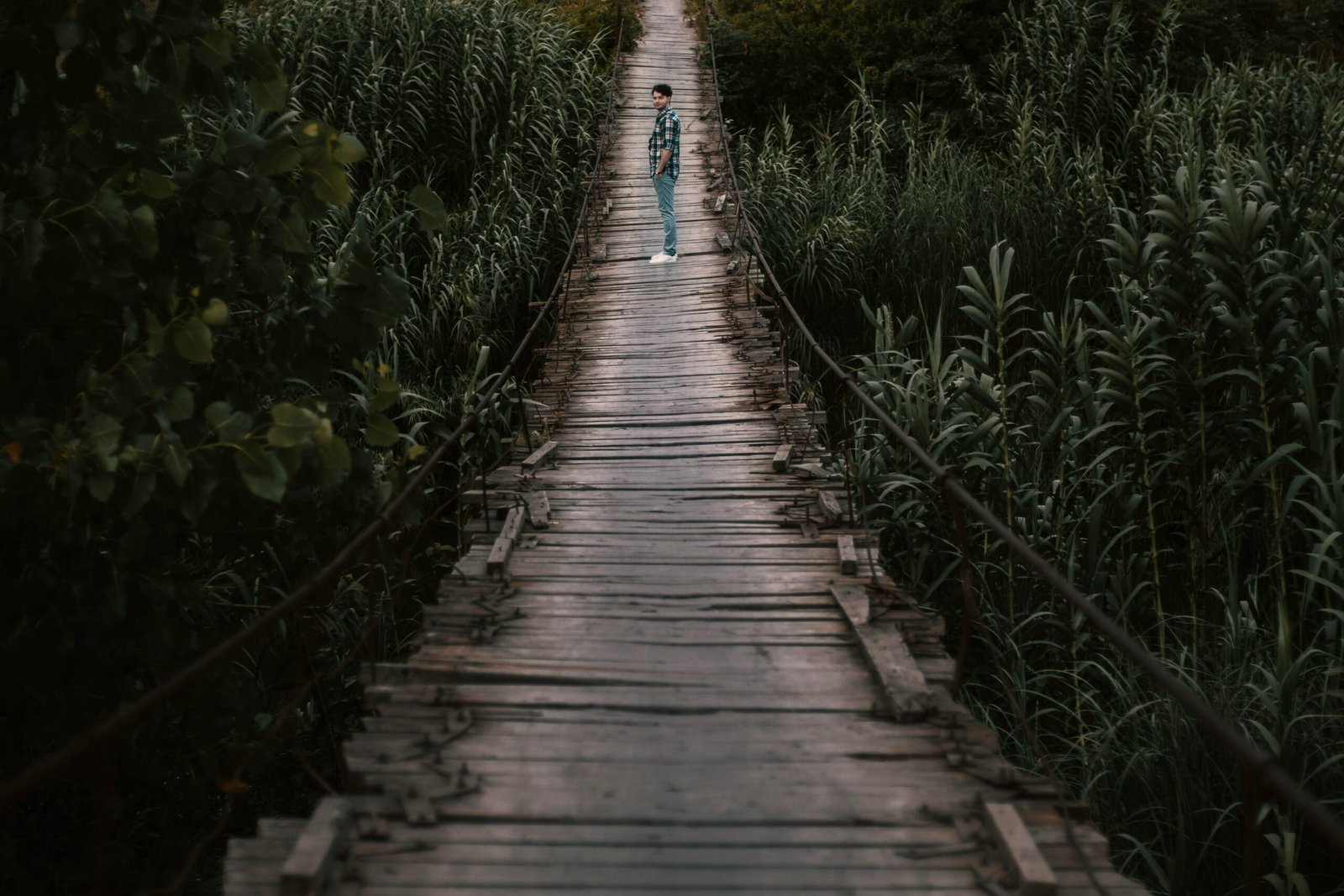
There was a path. No way to tell which way it led. The summit was surrounded only by sky and clouds. Retracing their steps might have been simple enough. But they had run in every direction, taking photographs. Now neither could tell from which side they had climbed. The world around them was all the same. The same endless, beautiful repetition of cloud and air.
‘You don’t need a compass to know which way is which. The sun rises in the east, crosses the northern sky and sets in the west,’ said the one from Australia, puffing up.
‘Right. The sun’s there, that must be north. The map says we need to head east to go down. If we’re facing north, that means turn right. We go this way.’ She wouldn’t be outdone.
Where they came from, the sun always travelled the northern sky. Knowledge grows under familiar sky, and they believed theirs was a universal truth.
Two fools talking. This is Kilimanjaro, a mountain near the equator, where snow meets the sun.
Here the sun moves across the southern sky in October. They walk southward, believing they are headed north.
I needed my space right. My objects right. My feeling right.
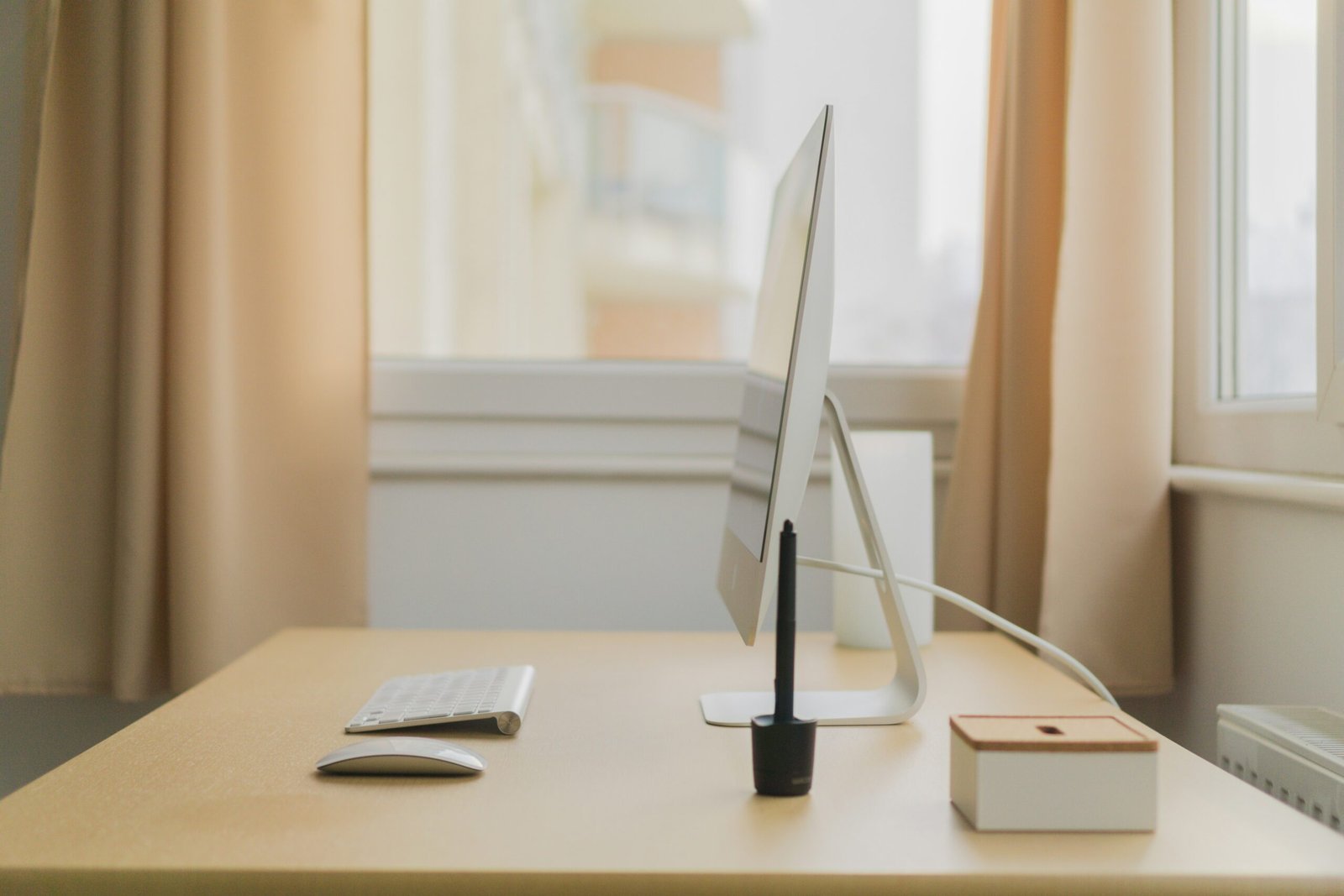
I cleared out a spare room to use as a studio. Scrubbed the skirting boards twice. Measured the light at different times of day, then rechecked in case I had misjudged. I moved the desk in, then out again, then back in. Then shifted it by a few millimetres to make sure it sat square. I installed a new desktop and a monitor, even though the old one worked fine. I needed it to feel like a true beginning.
On the shelf attached to the desk, I placed a singing bowl. The sound, they said, could settle the mind. I liked the idea of starting each session with a clear tone. Like striking a bell before entering somewhere sacred. I tapped it once, listened, then tapped again to be sure. In the corner of the top shelf, I placed a lucky bamboo. It meant resilience. Strength. I chose it because the stalks were hollow. I wanted to be hollow too; cleared out, so nothing could block the words.
On the lower shelf beneath the desk, I laid a stone I’d picked up from the front yard on a small wooden board. It wasn’t particularly beautiful, but it had weight, and that felt important. Beside it I placed a citrine crystal, the kind said to sharpen focus and keep energy flowing. I wanted to believe it would help. I moved the stone a little to the left, then back, then back again, until it felt… settled.
Pens in every colour stood to the right of the monitor. I sorted them by tone. Removed the ones that didn’t feel right. Put them back. Counted them. Recounted to make sure it was an even number. Above the screen, I hung a black circle inside a square 40-by-40-centimetre frame. Somewhere, I’d heard that soft, simple shapes could quiet the brain. I adjusted it several times to make sure it was exactly centred.
I adjusted the keyboard and mouse again. Then again. I stood up. Sat back down. Moved the chair three centimetres to the left. No, too far. I moved the citrine sixteen times. Actually, seventeen. The last one didn’t count. It wasn’t quite centred. It took me ten days to settle on a single sentence to ground myself as a writer: Every word I write is a step closer.
After all the ritual, all the arrangement, all the meaning I’d given to every object, I was ready.
I’M FINALLY READY TO WRITE
The room is too clean. Too organised. Too perfect.
The deceased estate cleaner stands in the doorway, taking it in. The property manager said the man who lived here was a writer. Died of a sudden heart attack. Looking around, he believes it. The space looks deliberate. Focused. Held together by something unsaid. Whoever lived here was gripped by something.
There’s a stone on a wooden board beneath the desk. A crystal beside it. On the shelf above, a dead bamboo plant in a glass container. Pens in every colour stand upright beside the monitor. A black circle hangs above it, centred in a square frame.
No mess. No paper. No name. The drawers are empty—no notebooks, no manuscript, not even a post-it or a receipt. Just a room.
He powers on the computer.
There must be something. A novel. Notes. An early draft. Something unfinished but real. The screen loads. One Word file sits in the centre of the screen: First Novel.
I often think about the perfect day. It feels like a kind of fantasy. Waking up early, maybe around 5 a.m., stretching, meditating, reading the Bible (I’m not a religious person, it’s one of my New Year’s resolutions), and quietly reviewing some Japanese vocabulary — all before starting work at 7:30. A neat and deliberate morning. After working with full focus, I imagine a simple lunch followed by a peaceful walk with Winnie. Then another session of deep work before wrapping up for the day. A short pause, dinner, preparing tomorrow’s lunch, then off to the gym. After coming back, a warm meal, some time to write. And finally, sleep. Closing the day gently.
I hope for a day where I follow through with intention and full effort at each set moment. But in reality, everything begins to unravel the moment I open my eyes. Waking up at 5 is already difficult. My will is weak, and emotions often run wild. I am too tired to get up early, and many mornings I find myself glued to my phone instead of meditating. Sometimes I wake just 20 minutes before work and rush to turn on the computer. After work, going to the gym feels like too much, and after dinner, all I want is to rest and maybe watch a bit of YouTube clips before bed. There are so many things I want to do, and things I know I should do, but sometimes my body just does not cooperate. Sometimes my heart is not in it. And even the act of reflecting on all this, of trying to regain my footing, takes so much energy that I end up falling asleep instead.
I want to live a perfect day, perhaps even a perfect life, but I am human, and in my case, a kind of human that feels so far from perfect. And the things that are not good for my life or health are often the most fun, the most addictive. YouTube, social media, all sorts of snacks and junk food, and games.
It has been a long time since I started feeling the weight of the gap between the version of me that wants a perfect day and the version of me that lives a messy one. In my twenties, I used to be hard on myself, always asking why I could not live a proper day, and blaming myself constantly. But now, after passing through my thirties and reaching this point, I have come to realise that if I manage to live even one perfect day in a month, that is already a huge success. If I can do it once a week, that is a real achievement. The energy I have is limited. It is not even close to what is required for my ideal day. So what I can do, what I must do, is to decide each moment where to put that energy. What will I give my full effort to? What can I simply let pass? What should I avoid if I can? Life, and each day, becomes a matter of priorities.
Even that kind of decision-making takes a surprising amount of energy. That is why I try to design my days to run with as little internal debate as possible. That is why routine matters so much to me. I am trying to create a daily flow that I can realistically follow, something that includes as many of the things I want to do as possible. I am five months into that process now, still stumbling my way through. But after countless false starts and quiet disappointments, my morning routine is finally beginning to settle. Stretching, meditation, the Bible, and a few maths problems. Something to wake up both body and mind, and gently remind myself that I am a market researcher who works with numbers and data.
My evening routine, in contrast, is still under construction. As I said, going to the gym often feels too tiring. I know I should be writing, but I somehow end up losing time on YouTube. There is still a wide gap between what I intend to do and what I actually do, and I do not quite know yet how to close it. People say “just do it”, but it is not that simple.
Still, I think about the perfect day. How satisfying it would feel to live it just as I planned. I know my perfectionism shows up in many parts of my life. But thankfully, I am not at the point where I let the fear of imperfection stop me from doing anything at all. Every day, every hour, I do what I can, sometimes making the best decisions, sometimes the worst.
Most days are around 60/100. A few are 90/100, and I feel quietly elated. Rare ones drop to 30/100, and I feel like collapsing. But even on those days, I try not to hate or blame myself. Every single day I live is the best I can do. And each of those days makes me who I am.
August 8, 2025. My play was finally brought to the stage. This was part of The Green Room Project, where ten of us were given space to write and share short plays for the first time. Earlier thoughts from the start of the process are gathered in two posts: A Small Beginning, A Real Step, and A First Step onto the Stage .
It wasn’t a full production with sets or costumes—more of a staged reading—but just having something to share, not as a script but as a realised piece, felt quietly meaningful.
A small moment, perhaps, but one that made me feel I could finally introduce myself, even tentatively, as a writer.
Writing a play was a new kind of experience. With essays or fiction, I was free to express emotions directly. Reviews and critiques had to be analytical. But a play moves forward through action and dialogue alone—through what is said and done. That made it a different kind of challenge.
In an essay, I could simply write, “I spent most of my time feeling lonely,” and that would be enough. In a play, I had to ask: what would this person say or do to let the audience understand that loneliness? It became, in a way, a meta-cognitive exercise—thinking not just about what a character feels, but how that feeling might be perceived.
Writing a ten-minute script with this in mind took effort, but it’s changed the way I approach fiction, too. I now find myself wondering, “What would my characters do if they felt this way?” Where I once focused on conveying inner states, I’m now also thinking about what those emotions look like. That, I think, is the most lasting gift of The Green Room Project.
Shared Words, Shared Moments
I discovered the project by chance, applied, and was fortunate to be selected alongside nine other writers. The writing was mine alone, but the feedback—from other writers, the moderator, the director, and the actors—was generous and deeply helpful. I hope my own feedback offered something in return.
Writing can be a solitary process, sometimes painfully so. To find companions who could share not only that solitude but also the quiet struggles of writing—that felt rare and meaningful.
I’ve always been someone who’s writing something, but this was one of the few times I could present my work to the world in such an intentional, official way. And I was so grateful for the moments when those close to me came to the showcase, listened to what I had written, and celebrated with me.
A Shift in How I Write
This wasn’t my first time on or around a stage. Back in university, I tried acting and directing through a student theatre group. But writing a play was entirely new. I hadn’t imagined I ever would. Somehow, 2025 has brought me opportunities I never saw coming.
Now that I’ve written a ten-minute piece, I find myself wanting to try something longer, a full play, maybe fifty or sixty minutes. And not just a reading, but a complete production with sets, movement, and light. I’ve climbed one small hill. Now I find my eyes turning to the higher ground.
For the past two or three decades, my writing has centred on inward fulfilment. But something seems to be shifting. Since 2025, I find myself thinking more about connection, outcome, and recognition.
I’m more drawn now to writing as a result, not only as a process. Whatever shape it takes, I hope the work to come finds its way to more readers. To be heard. To be seen.
After writing The Weight of Both Worlds, I found myself thinking more deeply about how many parts of my life exist between two sides, not just in the obvious ways, such as language or work, but also in quieter and less visible ways. The parts of myself that are not fixed at one end or the other, but shift along a spectrum depending on time, place, and circumstance.
There are times when I find myself closer to one side, and other times when I seem to live through the other. But more often, I return to somewhere in between. Not necessarily in pursuit of balance or harmony in the Confucian sense, but because standing at the far ends of anything often feels lonely, or simply too much to hold.
Of course, not everything comes with a spectrum. Some things are binary, like being a non-smoker rather than a smoker. That is a matter of choice, not a position between two points.
In this series, I will be reflecting on things that hold a range: progress and tradition, joy and grief, ideals and reality, researcher and writer, and many more. These are not essays with conclusions, but small attempts to look more closely at where I stand, and how I move through what lies in between.
I hope you will join me for these quiet explorations. They are, in one sense, stories about me. But I believe they are also stories about all of us. Not about life at the edges, but somewhere in between.
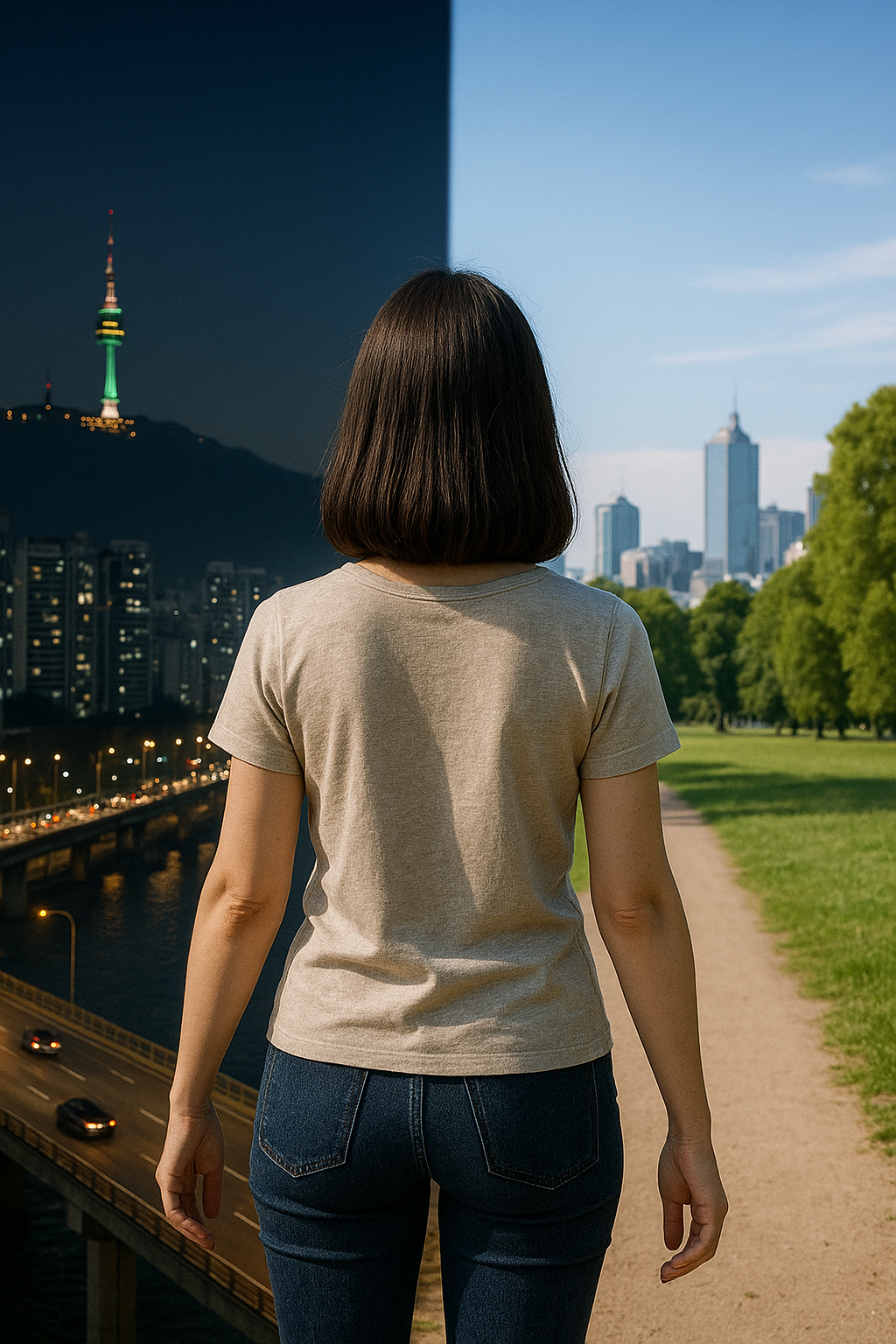
There are days when I feel like I’m living on the edge of everything. Between being Korean and Australian. Between being an employee and a writer. Between being an independent person and being a member of a family. I wonder if it’s ever possible to lean fully into one identity, or if I’m expected to perform both roles equally well. In trying to give similar energy to both sides, I often find myself tired, even exhausted, and unable to do anything at all.
People often say we can’t just do what we want all the time. Still, I often find myself wishing for a life where I could spend a little more of my time and energy on the things I love. Especially on days when the tasks I have to do are overwhelming and relentless—when they stretch on for weeks—I start to spiral. I feel angry, or low, or sometimes just lost. I wonder, briefly, what all this is for.
What Writing Gives Me
But I try to hold onto the belief that everything is experience. The people I meet, the conversations I have, the passing air and light and scenery—these all become part of my writing, eventually. They live on in the stories I tell.
Still, there are times when the weight of it all becomes too much. And in those moments, I turn to writing. For me, time spent alone chasing something ideal is essential if I want to keep living in reality with any clarity.
I don’t believe in the romantic image of the starving writer who becomes great through sheer hardship. Some people may live that truth, but I’m not one of them. I need a comfortable home. I need to travel with my family, to indulge in small luxuries from time to time. What sustains me is encouragement, kindness, and a basic sense of financial stability.
My creativity doesn’t bloom in desperation. It grows in safety.